Box rooms can be awkward to style. The space is often too small to function properly as a bedroom or living area. There is hardly enough room for a double bed – let alone wardrobes and a dresser. However, a box room can actually be the perfect solution to some of the challenges with your property. You might need more space to work from home or a storage cupboard for all your gym equipment.
Here are a few ways you can make the most out of your box room.
Walk-in wardrobe
Turn your box room into the walk-in wardrobe of your dreams. Ideally, the box room should be next to your main bedroom, but it can work elsewhere too. Paint the room white and install fitted wardrobes along both sides of the room. Add a few LED strip lights under the cabinets in the wardrobe for an extra special touch. Finish the room with a plush carpet and a narrow bench in the middle of the room. You need somewhere to sit down and put your shoes on, after all.
A home office
In the pandemic, we started working from home at the kitchen table or a makeshift desk. If you work remotely on a permanent basis, it’s time to make a proper home office. Turn your box room into a luxurious workspace for you and your ideas. You can have a wooden desk, industrial lamp, colourful bookshelf and much more. Make your office a productive space with no room for procrastination. Go online for home office inspiration and try something a little different.
A small en suite
Everyone needs another bathroom in their home. Say goodbye to sharing a bathroom with your other half, and hello to a luxurious en suite. You could have a free-standing roll-top bath with beautiful white tiling throughout the room. Have a look at a few different layouts for the bathroom, and make the best decision for your home. Decorate the bathroom with plenty of candles and build a storage cupboard for all your beauty products.
A snug
If you have older children, it might be time for a second living area. Make the box room into a snug with a big TV and video game console. Decorate the room with a reclaimed wood wall and graphic prints. Go for a deep emerald sofa and soft carpet to make the room feel extra cosy. Your children can play video games, watch movies and hang out with their friends. Everyone needs their space from time to time.
Make your box room into a room you need in your family home. You might need a new playroom for a baby or a craft room for your new Etsy business. Look at the priorities and demands of everyone in your family and make a decision from there.
A loft conversion is a fantastic way to add space and value to your home. You can add a whole floor to your home and make the most out of the new area. You could have a master bedroom, home office or second living room in the loft. A loft conversion can add thousands to the value of your home – if you do it right.
Follow this quick guide to convert your loft into a usable space.
Budget
First up, you need to take a look at your finances. Weigh up the cost of the loft conversion – from the construction process to the interior décor. Loft conversions can be very expensive, and it might not be worth it for your family. Take a look at the value of your home and consider whether you will be selling anytime soon. If your home has already reached its maximum value, a loft conversion might be pointless.
Accessibility
So you’re going ahead with the conversion, now what? You need to think about the accessibility of the loft. You can add a new staircase to make it more accessible. The staircase should join into your existing staircase to create a seamless design.
Lighting
You will need to add Velux windows to introduce more lighting into the converted loft. If the roof is sloped, you could look into adding a dormer window instead. You can add more head height to the loft conversion and finish with a wonderful glass panelled wall. You never know, there might be a fantastic view from your rooftop.
The purpose of the room
Before you can make any hard and fast decisions, you need to decide what the room will be. A master bedroom with an en-suite will require a different set-up to a home office. You could have a second living area for the children in the loft. It can start as a playroom, and then as they get older, it can be a teenager’s living space. They can hang out with friends, play video games and contain their mess to one area.
You could even combine a few rooms together to create a multifunctional space. The loft could be a guest bedroom with a sofa bed and an en-suite for when family come to stay. For the rest of the time, it can be your home office with a desk in the corner.
Heating and insulation
The loft room needs to be warm enough to live in. You will need to properly heat and insulate the space to make sure it’s comfortable. After all, no one wants to spend time in a freezing cold loft.
Make the most out of your loft space and add a new room to your home.
Doing house chores can be quite taxing. Sometimes, we would need help with the dishes, doing the laundry, or cleaning the rooms. We can employ cleaning services to help with these duties. You might hire them for a one-time job or on a contract agreement.
When it involves hiring people for services such as this, you should take proper steps. Hiring someone who is not a member of a cleaning company carries a lot of risks. However, this seems to be the cheapest option.
Professional and reliable cleaning agencies charge a lot of money for their services. It is because they must pay for insurance, professional training for their staff, and other expenses. Notwithstanding, the benefits of employing such services are desirable.
Finding a house cleaner or maid service can be tricky. There are several cleaners in the region, but finding the right one for the job might take some time. There’s no doubt that finding a company that provides domestic cleaning in London and does so effectively will be truly helpful.
To this end, our focus in this article will be on helping you achieve this. We will be sharing eight tips that will help you handle the selection process a lot better.
8 Tips on Finding a Reliable House Cleaning Service in London
Finding a reliable domestic cleaner or maid can be less stressful with these eight steps:
Do Not Underestimate the Power of Research
In the global space, research is the mother of inventions and discoveries. It is a fact that some people do not know how to research. However, it is easy. Much of what you need is access to the internet. You can research cleaning agencies or a maid service in Manhattan, or your local area. Write down ten suggestions obtained from your research. Put down their contact details. You can also get their office address, as you might need to visit them.
Ask Around
Have you tried this? Research shows that most people purchase services through referrals. Your friends and family members might have suggestions for domestic cleaners they have hired. You can save much time and sweat when you get a referral from them.
You should know that suggestions are not the Holy Grail. Despite good remarks on the service, you should make your findings. You can contact the cleaner to meet personally. Also, ask your referrers questions like how satisfied they were with the job done.
Consider Online Reviews but Do Not Bank on Them
It is a popular thing to read reviews before purchasing a product or service. However, some companies manipulate online reviews. While grasping this point, it is necessary to remember that too. Avoid employing domestic help based on only online reviews.
If an agency gets only good reviews, that might be an indication of foul play. Some people will certainly be dissatisfied with the service. If the company has only poor reviews, it is also an indication of poor service.
You can consider agencies with a lower number of poor reports and a higher number of good ones. Another point you should take note of is how the company responds to bad reviews from customers. If they do not respond, it is a clear sign of poor customer service. You can click on https://www.infotoday.com/LinkUp/How-To-Read-Online-Reviews-Critically-90801.shtml to know more about how to read reviews critically.
Check for Insurance and Workers Compensation
Every company is required to have insurance coverage. It is the reason their fees are higher compared to independent cleaners.
Insurance is necessary, especially when it involves dealing with properties. Mistakes happen, and damage can likely occur during the cleaning process. If you hire an independent cleaner, you might end up paying for damages on your premises. Imagine replacing a beautiful glass flower vase you bought because a maid broke it.
It is common for some people to forget this next point. Compensation is an amount paid to a worker if an accident occurs during work on your property. Let us say a worker falls while cleaning your ceiling fan and fractures his knees – he will be paid compensation to foot his medical bills.
Usually, the agency handles the compensation. An independent domestic help will not afford this benefit. In this case, you will have to pay for it. Checking for workers’ compensation is a vital point.
Look For More
Sometimes you might be confused about choosing between two agencies. Once this is the case, it is time to look for more. You can find out about their professional affiliations, endorsements, and years in service.
A company with affiliations and endorsements shows a significant amount of recognition. You can only get recognized when you render good services. Also, a good number of years in service is a plus. You can consider choosing an agency that’s over three years.
What Do They Have to Offer?
By now, you should have cut your list down to the best three. The next thing is to find out the services they render.
Some agencies offer only fixed services. It means that you do not decide what areas of your house you want cleaned. However, some allow you to make a request. If you desire only specific areas of your house to be cleaned, going for the latter is a better option. Many recurring home and office cleaners often provide flexible service plans that can be customised to suit your cleaning preferences and schedule.
It all depends on what is desirable to you. Choosing from either of the two groups should not be taxing.
Ask For a Copy of Their Policy
Before making your final selection, this step is necessary. You might want to understand the response to queries, rescheduling, and changes to service.
For some agencies, rescheduling or cancelling any arrangements made can accrue a fee. To avoid surprises, request a copy of their policy. It will help you prepare better.
Get To Know the Cleaners
After you have selected an agency for your domestic chores, do not be in a hurry to let them in. It is proper that you know who is coming to your house.
You can cross-check their employment reference, biodata, and other vital information. Ensure the company you contract with does a proper screening of their workers before they are employed. You can carry out an integrity test on the workers before they begin work.
Conclusion
Do not rush the process. You can research before settling for domestic help. Ensure that you are hiring a recognized cleaning company and not an independent cleaner. The fee may be high, but the benefits outweigh this.
If you are looking for ways to make your home warmer but don’t want the hassle of installing expensive central heating systems, slimline radiators are an ideal solution.
They are fitted with small water jackets, which are mostly used in modern buildings that need special care for insulation. Conventional hot-water pipework is replaced by pipes placed inside the wall cavities, formed into the required shapes before being plastered.
Slimline radiators have become popular because they can be installed in existing buildings without replacing their interior walls – which keeps costs down.
What are slimline radiators?
Slimline radiators are much sleeker than traditional models and are much thinner, usually around 8mm in-depth, the same as a standard ceiling. They are pretty different in appearance from conventional radiators but give off just as much heat.
Why do they work so well?
They are best suited to new-builds and refurbishments as they can be installed easily but cannot be fitted onto traditional radiators as the water pipes need to be placed inside the wall cavity. Slimline radiators come in a range of sizes and different outputs depending on the size of the room.
You may need to contact a qualified plumber when installing these types of radiators, but they are not difficult to install once you get the idea. However, there is no set method for installation, and different plumbers prefer different methods – so do your research before getting in touch with one.
How do slimline radiators work?
Slimline radiators are generally used in properties with cavity walls or double-skin facades. The outer skin contains water pipes connected to the slimline radiators, which heats them and disperses the heat into the building.
Many modern homes have been built with special care for insulation, which means installing slimline radiators in these homes is very easy. The walls are filled with a unique insulating material allowing the heat to reach all room areas evenly.
This can present a problem for older properties that don’t have cavity walls due to the difficulty of getting hot water into an outer wall for the slimline radiators to heat. These properties will generally need a new heating system, such as a boiler or night storage heater set up in the loft space linked to the existing hot water supply and then into the wall cavity via radiator valves.
Why should you choose slimline radiators?
The benefits of slimline radiators are that they are cheap to run and easy to maintain. In addition, they can be fitted in minutes, meaning you do not need expensive tradespeople to fit them for you – which will save you a lot of money in the long run.
Slimline radiators come in a range of colours and finishes if you have an existing radiator that looks tired. You can replace it relatively easily. They do not come with a radiator valve as they are fed by pipework already fitted into your cavity wall. Still, you can purchase a separate valve to regulate the temperature in the room.
If you want to avoid hefty bills from an engineer who may need to re-route the existing piping needed for slimline radiators, you can always install them yourself. However, there is no set installation method, and different plumbers prefer different methods – so do your research before getting in touch with one.
What are the benefits of slimline radiators?
Slimline radiators have several benefits that make them a popular choice for many homeowners:
1) They are suitable for the environment: slimline radiators can help you reduce your carbon footprint and make a difference to the future of our planet.
2) They save money: they cost much less to run than other heating systems, such as under-floor heating, which is expensive to install and maintain.
3) They’re easy to fit: slimline radiators are quick and easy to install in any room, taking less than half an hour in some cases. This makes them a great option if you’re planning on decorating or furnishing the room simultaneously.
4) They have several finishes: slimline radiators are available in a range of colours that can complement the decor of any room.
5) They’re easy to maintain: slimline radiators are simple to clean and maintain, which is good news for anyone short on time or budget.
6) They come in a range of different sizes: slimline radiators are available in several different sizes so you can choose what’s best for your room.
How much do slimline radiators cost?
The total price of a slimline radiator is made up of two parts: the physical radiator itself and any fittings that are needed, such as valves or special features that help control the heat in the room.
You can purchase new slimline radiators on their own or as part of a package with fittings for between £20-£160, depending on the size and finish that you choose.
Can you install slimline radiators on your own?
Slimline radiators are quick and easy to install, taking less than half an hour in most cases. As a result, many homeowners choose to replace their existing units with slimline radiators as they are quick and easy to fit.
However, if you find that your house has a solid outer wall or any other problems that don’t require an engineer, you can always attempt to fit them on your own. Of course, you will need some basic DIY skills and tools, but it’s certainly not a job for the faint-hearted.
Combustible cladding needs to be removed due to fire safety risks, so how do we stay safe while completing the removal process?
When the government announced that there would be a nationwide review of cladding materials used in buildings, it started a massive undertaking likely to take years. Although the UK government has pumped hundreds of thousands of pounds into the replacement of cladding, the process has been slow thus far.
The government set aside an initial £3.5 billion to deal with cladding replacement or removal in publicly owned buildings. The fund was later expanded and includes private leaseholders that may now apply for grants to help mitigate the costs.
For those who have little experience in this particular area of property management, it is worth doing some reading into this, and looking into resources like this podcast by Michael Teys and Craig Penton, before going out and hiring someone to come and sort out the cladding in your property. But, naturally, you’ll want to make sure that will complete the job in a safe fashion so, with this in mind, here are some ways that companies who replace or remove your cladding should be managing fire safety risks, while they work.
The 5 Best Ways to Manage Fire Risks During Cladding Removal and Replacement
If you need to have your buildings cladding replaced or entirely removed, here are the 5 ways your specialist firm should be following fire precautions.
1 – Working with Local Fire Safety Officers
Fire safety officers are trained to be able to spot, highlight, and fix fire safety issues. Any contractor that comes to replace or remove cladding from your building should have consulted with local fire safety officers to ensure every stage of the removal process is fire safety checked. Ordinary contractors simply don’t have the knowledge and skills to identify fire safety risks.
The local fire officer should be brought in at the beginning of the project for consultation. They should spend time creating risk assessments for each stage of the process. Your construction company then has suitable information to draw from to create fire-safe steps for combustible cladding removal.
2 – Hire a Specialist Cladding Removal Team
Although it is possible to remove some cladding from a building yourself, it is not safe to remove combustible materials as a DIY project. Similarly, if you live in a high rise building, you won’t be able to safely remove the cladding on your own portion of that building safely. Firms who specialise in removing cladding are safest because they have the training to do so.
ASD build replace cladding on apartment blocks and properties throughout England. They are a specialist in removing and replacing combustible cladding and can advise you on cladding remediation if you need guidance.
3 – Place Control Points
Implementing fire safety control points throughout the cladding removal process will make it far easier to minimize the fire risk throughout. These control points should be allocated from the initial fire safety risk assessment plan. You should be able to mark out key moments in the process when the fire risk is greatest. If you can identify these areas as control points, it is then only a short step towards performing checks at the required time and recording that the check was made.
4 – Account for Materials
A proper inventory should be taken through every stage of the process to ensure that the materials used in the removal are controlled substances. Fire safety risks should remain low if the proper oversights are accounted for. One of these factors lies in the materials used in removal. If they are likely to cause sparks, the materials should be replaced with safer options.
5 – Eliminate Sources of Ignition
All areas around cladding replacement should be considered no smoking. This must be closely monitored for accountability purposes. A rotary saw is often used in the removal of ACM cladding since it is used to cut the bolts free[i]. This can produce sparks and the risk needs to be overseen. There should be no smoking, and fire retardant coverings should be used wherever possible.
A small kitchen can be frustrating, especially if you love to cook. But sometimes, you simply have to try and make the most of what you have got to work with. The good news is that even the smallest of kitchens can be turned into a functional and stylish space in your home with the right steps. We’ve put together some tips to help you create more storage space in your small kitchen and hide the clutter, while improving the overall look and feel.
Keep Colors Simple
A small space can quickly look overcrowded if there are too many different colors going on at the same time, so it’s best to keep it simple. Pick one or two colors that you like and stick with it. Natural colors like beige combined with white and black tend to look very stylish in a kitchen, and this can help your smaller kitchen appear more spacious and airier too. You can find complementing kitchenware including plate sets from Kinto. The Kinto range from SSENSE includes some seriously stylish pieces including kettles and jugs to complete your kitchen’s look.
Hang Your Pots Up
If you’re short on cupboard space, then hanging up your pots and pans instead of stacking them in a cupboard can be a simple yet seriously effective way to create instant storage space. And, pans hanging up in a kitchen can be a feature that is both decorative and functional at the same time. You can find stylish pot rails that will fit in with your décor, and even invest in a brand-new set of pots and pans that match everything else to create a stylish and uniform look.
Use Integrated Appliances
Integrated appliances can make a small kitchen look much more stylish and less cluttered. Cupboard doors covering your appliances mean that you’ve not got items like the fridge or freezer dominating the space and you can easily match the doors to the rest of your kitchen cabinets. This can also make the kitchen appear larger as even though you know that there are appliances behind those cabinet doors, it does look like you’ve got more cabinet space at first glance.
Use Cabinet Tidies
When you’re working with a small kitchen that might not have a huge amount of cabinet space to use, the good news is that you can get various inexpensive tools to keep things organized inside the cabinets and make the most of the space. For example, you can get shelves for stacking your tableware in a corner easily without the risk of it breaking or shelves for your pantry so that you can make the most of the space and easily see what’s at the back of the cupboard too.
Small kitchens feature in lots of houses, but just because your kitchen is small in size, doesn’t mean that it can’t look great at the same time. If you are dealing with a small kitchen space, there are several things that you can do to open it up, maximize storage and create a stunning look.
Whether you’re renovating or building from the ground up, there’s a wide range of building materials on offer. One of the most prevalent materials in use today, both in residential dwellings or commercial buildings, is plasterboard. It is extensively applied in interior walls, for creating partitions and ceilings and as an inexpensive insulation solution. Different types of plasterboard are sold and are appropriate for different purposes and rooms.
What is Plasterboard?
Plasterboard is a relatively new building material when compared to traditional lath and plaster. It is a wall panel consisting of pressed calcium sulphate dihydrate, or more commonly known as gypsum, and paper backer and facer linings. Plasterboard is cheap to produce, easy to install, and with favourable properties that meet stringent UK Building Regulations.
Plasterboard Uses
The versatility of plasterboard makes it suitable for a range of building situations. It is extensively used in interiors, for constructing walls and ceilings, and also as an insulation layer, either as a standalone wall panel or in combination with thicker thermal boards. Individual panels can additionally be placed over cavity walls with timber frames or solid masonry walls for increased thermal insulation. With gypsum as the core material, plasterboard is inherently fire-proof, making it ideal in scenarios where added heat protection is needed. Plasterboard variants are also used in shielding walls from moisture and thicker panels are ideal for soundproofing.
Materials are also handpicked for the finish they provide. Plasterboard allows for smooth finishes and ample coats of paint or wallpaper, meaning it’s easy to decorate. Boards come as either square edged – good for seamless joints, or tapered edged – used in corners and edges, and also for creative wall designs. Items are easily affixed on plasterboard walls and any damage is easily and quickly repaired. Compared to traditional brick or concrete interiors, it is flexible in that it adapts to changes in layout with the least cost and effort.
Varieties of plasterboard differ in where they’re used and the types of compounds added to the gypsum. The thickness of the gypsum and the strength of the paper lining is also a factor to consider. Each type features lining in different colours, making it easier for builders during installation.
Fire-Resistant Plasterboard
Safety is essential in all aspects of construction. Fire-resistant plasterboard, or simply fire board is one of the best building solutions to repel fires. It is installed in domestic dwellings along stairwells, wall partitions, in ceilings between floors, above garages and areas with high heat generation. In commercial buildings, this type of plasterboard is used to protect voids and shafts. Fire board needs to meet specified UK fire-safety regulations, with boards requiring to protect from fire for 30,60,90 or 120 minutes depending on the type and size of the property. Fire-resistant boards are usually 12.5 or 15mm thick and are pink in colour.
Thermal Boards
To keep rooms cool in summer and warm in winter, builders use thermal insulated plasterboard. Installing these in your existing home or in new structures will significantly reduce your energy bills. Current building regulations require new properties to meet lower levels of heat loss, or what are known as U-values. Thermal boards provide some of the lowest U-values among different insulative materials currently sold.
Consisting of two parts, a foam base and insulated plasterboard, thermal boards are widely used in sealing floors, walls and ceilings in residential and commercial properties. The type and thickness of the foam vary, while the bonded board is 12.5mm or 15mm thick. Total thickness ranges from 20mm to 150mm, so suitable boards are available for a variety of applications. The best thermal protection comes from PIR plasterboard. This type of insulating board consists of PIR or polyisocyanurate foam, with a compact rigid-cell structure making it far superior to other foam types. Thermal properties are increased with different liner materials, particularly metal-based foils.
Builders can use thinner PIR plasterboard to achieve the same U-values found in other foam-based plasterboards. This is particularly useful where the available space is limited. In addition, thinner boards cost less, so you end up saving money. Another benefit is that PIR plasterboard provides high levels of moisture and acoustic insulation, also making it practical for other applications. Lastly, PIR is eco-friendly, meaning PIR plasterboard meets strict regulations regarding the use of sustainable materials. In terms of colours, ivory and ivory shades are the most common in thermal boards to distinguish them from standard and vapour-resistant plasterboard.
To achieve the best results in areas with high exposure to water, green water-resistant plasterboard is the way to go. Additives to the gypsum consist of water and liquid repelling compounds that sustain the rigidity of the boards in areas like bathrooms, kitchens and walls with piping. Other plasterboards are unsuitable in such places, and will crumble over time.
Vapour-resistant Plasterboard
Similar in design to water-resistant plasterboard, but with the benefit of additional metallised polyester facers, vapour-resistant plasterboards prevent the damaging effects of warm air and humidity in walls and ceilings. Vapour-resistant plasterboard is often seen with a white facer.
Impact-resistant Plasterboard
With thickness comparable to PIR plasterboard, impact-resistant plasterboard consists of a dense gypsum core often sprayed with wood particles, and with thicker outer linings. It is used in areas with high pedestrian movement, like offices, schools and hospitals. In homes, it is installed in halls, corridors and playrooms. Impact board is twice as resistant to dents and scratches resulting from high wear and tear. You’ll find this board coloured yellow.
Acoustic Plasterboard
To insulate areas from external noises and obtrusive sound, builders use sound or acoustic plasterboard. This has a mineral wool core in a dense layout with multiple layers of sound-absorbent outer lining. Boards can be used on their own or combined to deaden the loudest sounds. Studios, home theatre rooms and music schools are some of the places it is used. Acoustic board is recognisable by its blue colour.
Contoured Plasterboard
Round finishes are possible with contoured plasterboard. This is applied in round walls, curved ceiling features, and insulating areas with complex shapes and irregularities. Contoured plasterboard is combined with other boards in creating visually effective designs.
There are some people out there who live for the summer. They are all about the blazing heat and the scorching sunshine. The rest of us know that there is something very special about Autumn. The leaves are changing colour, there’s a lovely crisp chill in the air, and it’s the perfect time of year to take a long weekend away somewhere. Now, if this is the first chance you’ve had to take a break for a while, you may need to restock some of those travel essentials. Here are some of the items that everyone needs in their travel bag.
Phone Charger
There is not much to say about this one, but let’s face it: how many times have you left home and realised that your phone charger is still plugged into the wall socket? Save yourself time, money, and stress by picking up a spare one to take with you.
Facemasks And Hand Sanitiser
As much as we would like to be living in a post-pandemic world by now, and even though things are looking brighter for the spring, the fact remains that the virus is still out there, and we all need to be taking steps to look after ourselves and our families. Make sure that you take plenty of face masks with you and remember to use hand sanitiser where you need to.
Vaping Essentials
If you or your partner vape, then you know how frustrating it can be to run out of supplies at the wrong time. You don’t want to be running around looking for a shop that sells vape liquid or replacement coils when you are on your holiday. Make sure that you stock up before you go, and think about picking up some nice soothing CBD vape juice. A lot of people out there are discovering how CBD oil can help to soothe aches and pains and relieve stress, so if you’d like to browse what options there are available, click here. Handpicked CBD has an amazing range of CBD products as well as information to help you learn more.
A Great Book
We have all spent so much time staring at our screens over the course of the pandemic. Working from home certainly hasn’t helped, as we haven’t even had the commute to break up the transition from the phone screen to the computer screen to the TV screen. A holiday is a perfect excuse to take a break from the glow of our screens, so why not think about picking up a book that you have been meaning to get into for a while?
Clothes For All Weather
As this last summer in the UK showed, there really is no predicting what kind of weather you are going to be in for on any given day. It could be sunny in the morning and then you could be facing a torrential downpour by lunchtime. If you are going for a long weekend away in the UK, then make sure that you have all your bases covered. Take your sunglasses but don’t forget that raincoat, and a big jumper is always a good idea!
When you buy a new car, the first thing that’s on your mind is that you’re not going to have the same problems as your old one. Since the vehicle is new, maintenance wouldn’t be necessary for at least half a decade. That’s where most people get it wrong.
Spending just a day on maintenance each year will be more than enough to keep that car running for two decades. The same thing applies to a furnace. When people install one, they often forget that they need to do maintenance every fall. There are numerous things that will help in keeping your furnace in good working order, regardless of the model. Follow this link for more info https://www.thisoldhouse.com/heating-cooling/21016379/how-to-do-fall-furnace-maintenance.
First things first, you need to know the basics. Whenever something wrong happens in a heating system, there are a couple of things that could be responsible. That could be the thermostat, distribution system, or the source of the heat.
If the entire system isn’t working, then it has to be one of these three issues. It’s also possible that something has happened to the electricity that needs to be bringing power every second. Maybe the unit isn’t getting enough fuel too. All of these issues can be easily solved on your own without having to call a professional.
If you decide to call outside help, they’re going to charge you even if they change a single wire in the system. For that reason, it’s important for you to know how to identify when something is broken and whether you can fix it with a few minutes of online research.
For example, a thermostat that malfunctions could prevent the entire system from turning on. This is a simple process and can be fixed instantly by replacing the thermostat. The most important thing to remember is that common sense, and a bit of patience go a long way.
To make sure that something is wrong with the furnace, you need to see whether the unit is connected to a source of electricity. Check the installation and see whether there is a tripped circuit breaker or some blown fuses. Click on this link to read more.
That is easy to identify since those problems blacken the cables. If you have a newer model, there might be a secondary source of power. Even if there is one, it should be close to the main panel. Always keep the documentation when you’re buying these kinds of products since you can quickly identify all of the parts.
If something feels off when you start the system, plug it out and wait for half an hour. That would be enough time for the motors to get to room temperature, and the next time you plug the power on, you can press the reset button.
If nothing happens, wait for another hour and try again. If nothing happens, you need to check the thermostat and see whether the gas is connected. One of the most common issues is that the gas has run out, and you need to bring a new container.
Starting the work
When you’ve completed the previous step, and the unit is not working, then you need to turn off all of the electricity. If you’re not sure which fuse to remove, it’s wise to turn off the power for the entire house. It’s better to be safe than sorry when it comes to electricity.
Open the plastic and see whether you can trip the breaker into the second panel. However, if your furnace breaks, call Bosque for help. Especially if you think that the fuse will blow. If that happens twice in a row, it’s time to call a professional.
Avoid handling problems that are connected to the electrical system since you need years of experience to localize the issue. Find someone competent who can come and repair everything safely. On the other hand, if you start smelling a gas-like odour in your house, then don’t attempt to turn on the lights or to turn off the gas.
That’s going to create even more problems. Instead, leave your home immediately and phone the fire department or the gas company. Reporting the leak is the only thing that you can do in that situation. Make sure to wait for professional help and do not go back into the house until it’s safe.
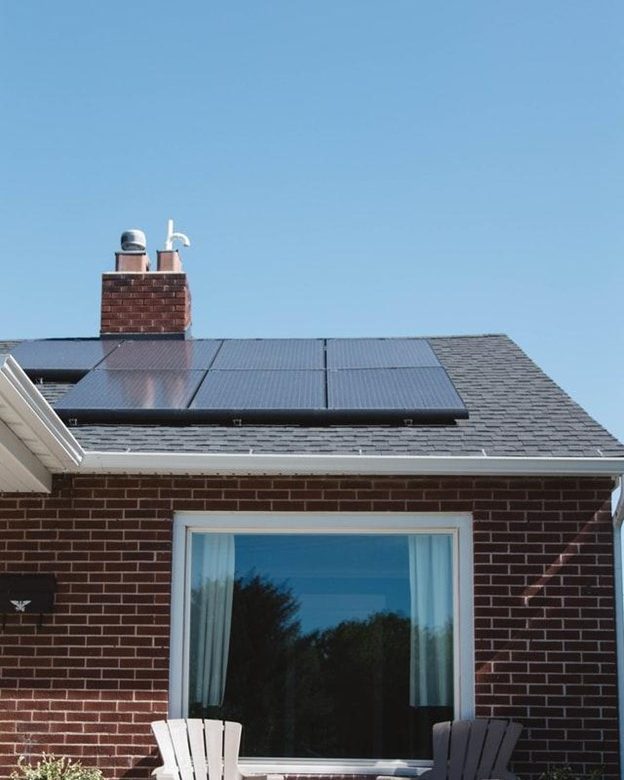
Solar energy is touted as among the most sustainable energy resources, with solar panels converting sunlight into electricity for homes and businesses. Renewable energy is good for the environment in that greenhouse gas emissions are eliminated, plus fossil fuel use decreases, not to mention the utility cost savings.
Unfortunately, many people are hesitant to make the conversion from electric to solar since the task itself appears to be an overwhelming venture that entails much hassle. While it might prove daunting to attempt the process without help, it’s not so much when you have expert assistance.
Trusted professionals like those at Your Solar Spot are familiar with the process of powering a residential home with solar panels. These experts can help homeowners avoid costly mistakes by helping to determine the appropriate solar power system for a specific house and installing it adequately.
Factors When Considering Solar Panels
More people in the United States and other countries worldwide are beginning to invest in solar energy with solar panel placement on rooftops. The technology has witnessed incredible advancements over the past few years. Some of these involve lowered costs for the materials.
It’s the ideal method for generating electricity for a house or business plus the grid without affecting the environment. The prospect can prove overwhelming for a homeowner considering the option.
It takes understanding the varied factors and working with an expert to make an educated decision. See here for tips for getting the most from a solar-powered house. Some things to consider:
● The condition of your roof
Before you decide about a solar panel installation, you need to consider the condition of your roof. If there’s any chance that you might need a new roof any time in the near future, or if any part of the roof is in disrepair, adding solar panels is not wise.
A first step is to take care of any roof repairs or install a new roof before deciding on your solar energy. In this way, you won’t need to spend extra to have the panels removed and reinstalled while roof work is taken care of.
Another consideration suggested is to look at the warranty on the roof as it compares to that of the equipment. Generally, the systems will last as long as 20 years. If your roof only warrants for 10 or 15 years, it can inflate the expense for panel maintenance. It’s critical to attempt to make these a cohesive project. That will ultimately save not only time and effort but costs in the long run.
● How does your roof slope
The solar system needs a specific placement so that it can generate the most power. Some indicate panels are better when facing the south, while others will put them towards the west. That’s something that you should research in your area to find out what will be best for you specifically before the installation proceeds.
● Nature can provide many surprises
Depending on your location, your roof can face numerous types of abuse. Aside from extreme weather, there are catastrophic events and natural disasters that will ultimately affect solar panels affixed to the roof.
Whether you’re in a hurricane zone, face lightning storms, hail, or other types of events, the equipment has great potential for damage. Some insurance carriers will cover these types of perils, but it’s essential to educate if you’re in one of these zones before investing. There might be a specific type of insurance policy you need to obtain in addition to the regular homeowners’ coverage.
● A warranty is an essential part of purchasing the system
When you decide to invest in solar panels kent, (or wherever you reside), an essential component of the equipment package is the warranty, responsible for protecting these panels and the other materials. The protection holds the manufacturer responsible, without additional expense to you if something happens.
Some states have incentive programs that encourage warranties for your solar equipment. If you don’t have a warranty, the program is ineffective, so it’s to your benefit to ensure you take advantage of a warranty.
As an investment, solar panels have the potential to give you returns over the long term in savings on utility costs. Still, there are upfront expenses that need to be considered for the equipment, which can be extensive.
If you are budget-conscious, you might need to look into financing options instead of paying the lump fee. But then, you need to account for interest accrual. You also have the choice of renting the panels.
Installation in most cases requires an expert contractor who will likely need to make modifications or have someone make modifications around your home to accommodate the equipment. That could involve permits, which involve a fee as well. The final consideration is lifetime maintenance expenses for the panels.
Getting more than one quote before committing is worth the extra time, since installation costs and equipment quality can vary quite a bit between providers. A site such as qvoltsolar.com.au/ is one option to look into as part of that comparison process, alongside local installers who can assess your specific roof and energy needs.
Final Thought
Solar energy is increasingly growing in popularity. That isn’t an indication that it’s necessarily the best option for each home or the best fit for everyone’s budget. Costs don’t have to be a hindrance with financing options or the potential to rent the equipment. But as a rule, people find the initial investment worthwhile as time goes by and energy costs gradually start to go down. Learn helpful hints on solar energy at https://www.hahasmart.com/blog/3203/solar-energy-tips-and-tricks/
Plus, there’s a genuine benefit to the environment when each household diminishes its carbon footprint, relying less on what is the “traditional grid.” It comes down to being a personal decision and a matter of preference.
Cookie Consent
We use cookies to improve your experience on our site. By using our site, you consent to cookies.
This cookie is set by X to identify and track the website visitor. Registers if a users is signed in the X platform and collects information about ad preferences.
2 years
personalization_id
Unique value with which users can be identified by X. Collected information is used to be personalize X services, including X trends, stories, ads and suggestions.
2 years
external_referer
Our Website uses X buttons to allow our visitors to follow our promotional X feeds, and sometimes embed feeds on our Website.