Whether it’s a home gym or a meditation zone, why not customise a spare room to cater to your health and wellness goals? During lockdowns, people engaged in enjoyable activities as a way of passing the time. The logical next step was creating a dedicated space to enjoy these activities.
You could build a home library in your spare room, for instance. All you need is a comfy armchair, a good lamp and bookcases filled with your favourite tomes.
Perhaps you could create a spa experience in the spare room. When moving into new build homes, you could lessen disruption by having this designed and built before you move in. Even if you don’t go the whole hog with a stillness bath, a simple addition of an air purifier can help you achieve a greater sense of calm and well-being in your space.
Since the pandemic, many jobs now offer hybrid or straight WFH roles. So, by creating a separate working space, rather than a desk in your bedroom or kitchen, you can boost productivity - and not get in the way of everyone else in the house! A home office can also be used by schoolchildren for study and anyone who is taking remote learning courses.
Having a quiet space is useful for other types of work too – for sorting bills, financial or legal issues, desktop work for a hobby or project, or even just a calm place to read a book.
Keep kids’ clutter at bay by creating a playroom. The children will know this is their own space to explore, create and play in, and it will keep the rest of the home tidy. The space should have colourful, inspirational decor but should also be functional. Space-saving furniture is a must.
You’ll need practical and hard-wearing fabrics and finishes to protect against inevitable wear and tear. And layout-wise, a well-thought-out floor plan complete with a craft station and reading nook means you can structure the play area and give yourself somewhere to sit during story time.
Trying your hand at painting or are you a wannabe musician? Turn your spare room into a space dedicated to your new or existing hobby and set aside ‘me-time’ to use the room to its potential. A home studio for artistic ventures needs zones for work, storage, inspiration and display.
Set up your work zone near a window so you have natural light flooding in so you can observe colours and details in your artwork. When artificial light is needed, look for light bulbs that offer daylight-equivalent lighting. If your space is a music studio, you need an area to play your instruments and a place to store them. Obviously, what’s required will differ if you prefer violin to piano!
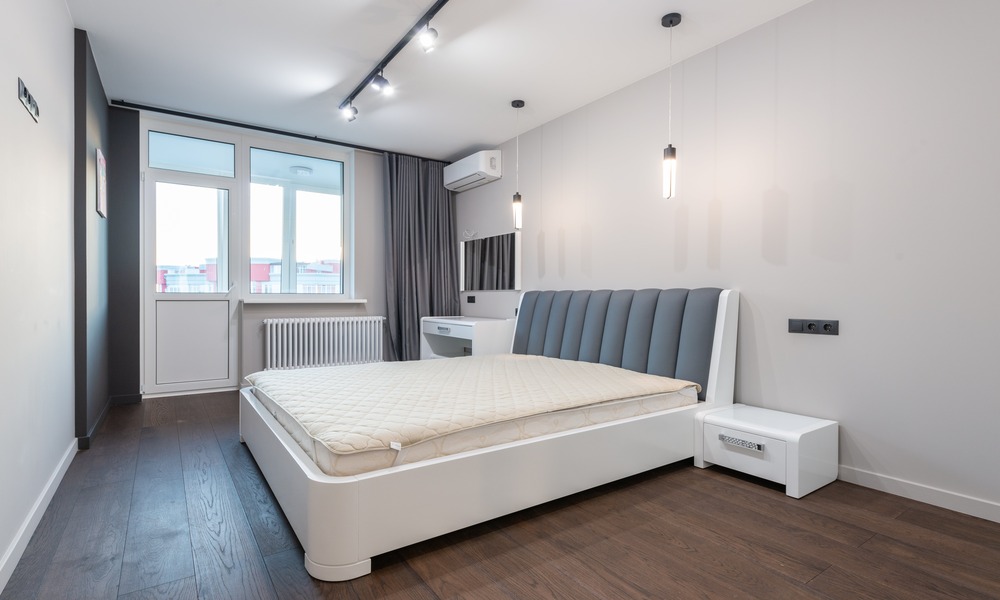
An obvious option is to make your spare room into another bedroom. If you have people over to stay, creating another bedroom will provide you with the perfect opportunity to socialise more with friends and family who live a distance away. You could fit a permanent bed or instead, a pull-out sofa bed allows you to use the room for various uses when no one is stopping over for the night.
There are many ways to add value to your home. Roof modifications are one option that can have a big impact. Below are just some of the roof renovations that add the most value.
Rooflights/skylights
Rooflights and skylights are a name for windows built into a roof. Such windows can allow more light into your home, while also allowing you to gaze up at the stars at night. Consequently, they can make very attractive features in homes and can appreciate the value of your home.
You can even consider something like a flat roof sun tunnel, which can be a great alternative for spaces that need natural light but don’t have the structure for traditional roof windows.
Rooflights are typically raised from the roof, while skylights are level with the roof. Both types of window can be built onto a pitched roof or a flat roof and can take various forms from round domes to thin strips.
Rooflights and skylights (check out https://sunsquareskylights.com/ for more information and options) can also be designed to open to allow in air. Remote control automatic opening rooflights are an alternative to manual roofs that can be easier to open and close, however these types of rooflights are more expensive to install.
Solar panels
Solar panels can allow you to harvest energy from the sun instead of having to rely on grid power. You could save a huge amount of money in energy bills by installing them. On top of this, solar panels could boost the value of your home.
Roofs are the most common place to install solar panels. To ensure that your solar power harvesting is efficient, make sure that you install enough solar panels and that you install them on the part of your roof that receives the most sunlight throughout the day.
There are companies out there like All Seasons Energy that offer solar panel packages. While solar panels are not cheap to install, you can usually pay for them in instalments and there are grants available. Solar panels can weigh down your roof, so it’s essential that your roof is in good condition first before you get them installed.
Slate tiles
There are many different roofing materials that you can explore. Some roofing materials like metal can add value in certain parts of the world, but generally can devalue homes in the UK because they are less common. So which roofing material adds the most value in the UK?
Slate is probably the most certain material to boost your home’s value. It looks sophisticated, is totally fireproof and can last longer than any other roofing material. This Forbes post delves more into the benefits of slate.
The biggest downsides of slate is that it’s not a cheap roofing solution and can be very heavy. You will have to pay a lot upfront and may have to strengthen your roof before installing slate tiles. However, you should make back the money through the additional value that this roofing material brings.
Roof insulation
Adding insulation to your roof can help to trap heat in your home for longer. Not only can this keep your home warmer in winter, but it can reduce the amount of energy you consume to heat your home. Because of this, homes with roof insulation are attractive to buyers and come with a higher price tag.
There are quite a few ways to insulate a roof. In most cases, insulation is installed on the underside of the roof. A few options include insulation boards, blanket insulation and spray-on insulation.
Insulation companies can help you explore different methods and their costs. A larger roof will cost more to insulate, so bear this in mind. DIY insulation methods are an option for those that want to save money and consider themselves capable. Furthermore, for professional results, taking assistance from a professional from a winnipeg roofing company can provide peace of mind. This can ensure the installation is done correctly to increase energy savings and longevity of the roof.
Terrace garden
A flat roof may be possible to turn into a terrace garden in some locations. A terrace garden can add as much as 12% to a home’s value (and even more in areas with dramatic views or city areas where outdoor space is a rarity).
Getting planning permission for a terrace garden isn’t easy and they can cost a lot of money to install. If it is a viable option, it’s well worth considering though – not only can a terrace garden add value, but it can have all kinds of practical benefits such as providing private space for gardening or outdoor eating.
It’s up to you as to how you design and furnish your terrace. Some terraces are simple – made up of a stone surface and some basic outdoor furniture. Others are more elaborate and contain raised plant beds, greenhouses, lawns and even sometimes swimming pools. It will depend on your budget as to what you can do with this space.
Sash window draught proofing is essential for addressing one of the main sources of discomfort and energy inefficiency in homes, regardless of their age. Detecting these areas of concern is pivotal for successful draught-proofing efforts. Draughts arise when there’s an inadvertent flow of air between the interior and exterior of a residence, often via gaps or openings in windows, doors, walls, or other structural components.
Draught-Proofing Old Homes and New Ones
Draught-proofing old homes presents unique challenges due to their age and construction. These homes often have numerous gaps, cracks, and structural issues contributing to draughts and energy inefficiency. Additionally, historic preservation considerations may limit the extent of possible modifications.
One challenge is identifying all the sources of draughts, those hidden behind walls, under floors, or within intricate architectural details. Addressing these draughts requires careful inspection and strategic planning to preserve the home’s character while improving its energy performance.
Old homes may also have outdated or deteriorated windows and doors, significant sources of draughts that can be fixed with professional window repairs sunshine coast services.
Solutions include repairing or restoring existing features, adding weatherstripping and caulking, or installing storm windows and doors for added insulation.
For new ones, it starts at the construction. Door and window testing, use of quality materials for insulation, tight construction, and proper air sealing and duct sealing of heating and air conditioning systems reduce the possibility of draughts. But even with the best construction, draughts may occur.
Identifying Problem Areas
Homeowners can employ several strategies to understand draughts and identify problem areas. Firstly, conducting a thorough inspection of the home’s interior and exterior is essential. Look for visible gaps or cracks around windows, doors, baseboards, and electrical outlets. Additionally, pay attention to areas where different building materials meet, as these junctions can often be prone to draughts.
During the inspection process, it’s essential to consider evident and subtle signs of draughts. While a noticeable rush of air is a clear indicator, draughts can manifest as cold spots, condensation buildup, or even unusual odors in the home. These subtler signs may require closer attention but are equally crucial in pinpointing draft problem areas.
Furthermore, utilizing tools such as infrared thermometers or smoke pencils can aid in detecting draughts by visualizing temperature variations or air movement. These tools can help identify drafts that may not be immediately apparent to the naked eye.
By understanding draughts and actively identifying problem areas within the home, homeowners can take proactive steps to address these issues and improve comfort levels while reducing energy consumption and costs.
Essential Tools and Materials for Draught-Proofing
When embarking on a draft-proofing project for your home, having the right tools and materials is essential for success. The key items you’ll need are:
Caulk Gun and Sealant: A caulking gun and high-quality sealant are indispensable for filling gaps and cracks around windows, doors, and other openings.
Weatherstripping: It comes in various materials such as foam, rubber, or vinyl and is used to seal gaps around movable building components like doors and windows.
Draught Stoppers: They are draught excluders, fabrics with insulators put under doors to exclude draught
Insulation: Insulating materials such as foam insulation, fiberglass batts, or expanding spray foam are crucial for filling gaps or insulating attics and crawl spaces. (Have special glass for insulation.)
Window Film: Window film, particularly thermal or insulating varieties, can help improve the energy efficiency of windows by reducing heat loss and preventing drafts.
Door Sweeps: Door sweeps are attached under doors, sealing gaps and preventing draughts from entering underneath.
Duct Tape and Masking Tape: These tapes are handy for temporary fixes or securing materials during draught-proofing.
Utility Knife and Scissors: These tools are essential for cutting and trimming materials like to fit specific areas.
Screwdriver and Hardware: You may need a screwdriver to remove or adjust hardware such as door hinges or window latches during the draught-proofing process.
Safety Gear: Depending on the materials you’re working with, safety gear such as gloves, goggles, and a dust mask may be necessary to protect yourself during the project.
Draught-Proofing Sash Windows: Techniques and Solutions
An efficient window draught-proofing system improves your home’s comfort and saves energy bills. Effective techniques and solutions include:
Caulking and Sealing: Use a caulking gun and high-quality sealant to fill gaps and cracks around the window frames. Pay close attention to areas where the window frame meets the wall or those meeting rails, as these are sources of drafts.
Weatherstripping: Apply weatherstripping along the edges of the window sash to create a tight seal when the window is closed. Choose materials that are durable and can withstand repeated opening and closing of the windows.
Window Film: Install insulating window film to reduce heat loss and prevent draughts. This transparent film can be applied to the interior surface of the window glass and helps improve the thermal efficiency of the windows without blocking sunlight.
Insulated Curtains or Blinds: Invest in insulated curtains or blinds to provide an additional barrier against draughts. These window treatments help trap heat inside during winter and block out heat during the summer, improving overall energy efficiency. (Blinds are effective insulators.)
Window Inserts: Consider installing removable window inserts or secondary glazing panels to add extra insulation to your windows. These inserts can be easily installed and removed as needed and are particularly effective for older windows with single-pane glass.
Repair or Replace: Inspect your windows for any signs of damage or deterioration, such as cracked glass or warped frames. Repairing or replacing damaged windows can significantly improve their performance and reduce draughts.
By implementing these techniques and solutions for draft-proofing windows, you can enhance the comfort of your home, reduce energy consumption, and lower heating and cooling costs.
Why Weatherization is Essential
Weatherization is the process of preparing and modifying a home to withstand the effects of weather, enhancing comfort and energy efficiency throughout the year.
Some effective weatherization methods include having proper insulation, proper sealing of air leaks and gaps in doors, windows, and walls, and adequate ventilation in the roof and attic, all of which allow for the prevention of moisture buildup, which is essential for preventing draughts.
It is also essential to maximize the use of technology for weatherization. Proper maintenance of HVAC systems, use of programmable thermostats to regulate the temperature according to use and schedule, and even using materials such as blinds or insulated curtains for thermal insulation also helps.
Draught-Proofing Dos and Don’ts: Best Practices
Dos:
Inspect thoroughly your home for draught sources.
Use high-quality materials to seal gaps and cracks.
Consider using insulated curtains, window film, or secondary glazing for better thermal insulation.
Have proper maintenance of HVAC systems for optimal performance and energy efficiency. (Ensure the HVAC system works well.)
Program thermostats to regulate indoor temperatures.
Have proper ventilation in attics and roofs to prevent moisture buildup.
Invest in exterior maintenance to prevent weather-related damage.
Employ proper landscaping strategies to prevent windbreaks.
Don’ts:
Don’t overlook subtle signs of draughts.
Don’t opt for quick fixes; employ long-term solutions.
Don’t neglect regular maintenance of windows and doors.
Don’t overlook the importance of professional inspections and assessments for draft-proofing solutions.
Don’t block ventilation openings or obstruct airflow when draught-proofing; have proper airflow.
Don’t underestimate the value of energy-efficient window treatments in reducing drafts and improving insulation.
This cookie is set by X to identify and track the website visitor. Registers if a users is signed in the X platform and collects information about ad preferences.
2 years
personalization_id
Unique value with which users can be identified by X. Collected information is used to be personalize X services, including X trends, stories, ads and suggestions.
2 years
external_referer
Our Website uses X buttons to allow our visitors to follow our promotional X feeds, and sometimes embed feeds on our Website.