
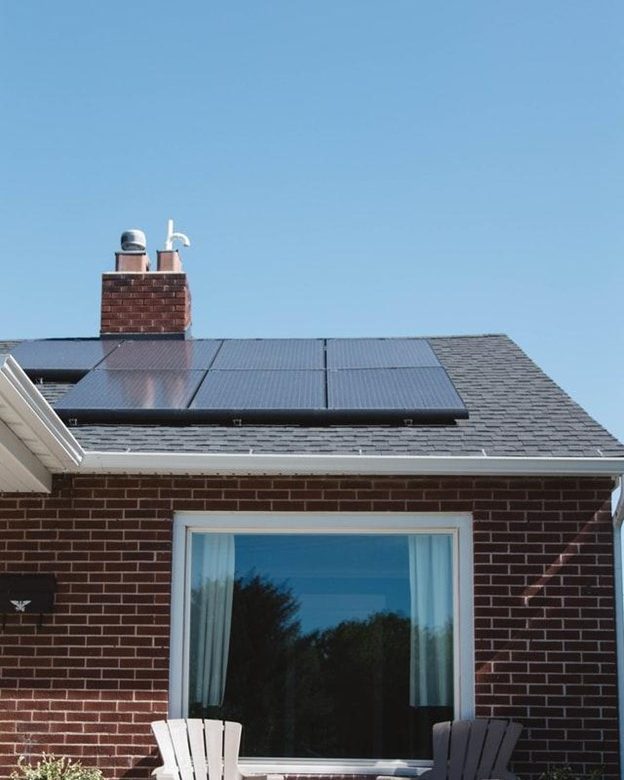
Are You Considering Solar Panel Equipment

This is a collaborative post
Solar energy is touted as among the most sustainable energy resources, with solar panels converting sunlight into electricity for homes and businesses. Renewable energy is good for the environment in that greenhouse gas emissions are eliminated, plus fossil fuel use decreases, not to mention the utility cost savings.
Unfortunately, many people are hesitant to make the conversion from electric to solar since the task itself appears to be an overwhelming venture that entails much hassle. While it might prove daunting to attempt the process without help, it’s not so much when you have expert assistance.
Trusted professionals like those at Your Solar Spot are familiar with the process of powering a residential home with solar panels. These experts can help homeowners avoid costly mistakes by helping to determine the appropriate solar power system for a specific house and installing it adequately.
Factors When Considering Solar Panels
More people in the United States and other countries worldwide are beginning to invest in solar energy with solar panel placement on rooftops. The technology has witnessed incredible advancements over the past few years. Some of these involve lowered costs for the materials.
It’s the ideal method for generating electricity for a house or business plus the grid without affecting the environment. The prospect can prove overwhelming for a homeowner considering the option.
It takes understanding the varied factors and working with an expert to make an educated decision. See here for tips for getting the most from a solar-powered house. Some things to consider:
● The condition of your roof
Before you decide about a solar panel installation, you need to consider the condition of your roof. If there’s any chance that you might need a new roof any time in the near future, or if any part of the roof is in disrepair, adding solar panels is not wise.
A first step is to take care of any roof repairs or install a new roof before deciding on your solar energy. In this way, you won’t need to spend extra to have the panels removed and reinstalled while roof work is taken care of.
Another consideration suggested is to look at the warranty on the roof as it compares to that of the equipment. Generally, the systems will last as long as 20 years. If your roof only warrants for 10 or 15 years, it can inflate the expense for panel maintenance. It’s critical to attempt to make these a cohesive project. That will ultimately save not only time and effort but costs in the long run.
● How does your roof slope
The solar system needs a specific placement so that it can generate the most power. Some indicate panels are better when facing the south, while others will put them towards the west. That’s something that you should research in your area to find out what will be best for you specifically before the installation proceeds.
● Nature can provide many surprises
Depending on your location, your roof can face numerous types of abuse. Aside from extreme weather, there are catastrophic events and natural disasters that will ultimately affect solar panels affixed to the roof.
Whether you’re in a hurricane zone, face lightning storms, hail, or other types of events, the equipment has great potential for damage. Some insurance carriers will cover these types of perils, but it’s essential to educate if you’re in one of these zones before investing. There might be a specific type of insurance policy you need to obtain in addition to the regular homeowners’ coverage.
● A warranty is an essential part of purchasing the system
When you decide to invest in solar panels kent, (or wherever you reside), an essential component of the equipment package is the warranty, responsible for protecting these panels and the other materials. The protection holds the manufacturer responsible, without additional expense to you if something happens.
Some states have incentive programs that encourage warranties for your solar equipment. If you don’t have a warranty, the program is ineffective, so it’s to your benefit to ensure you take advantage of a warranty.

● Cost considerations
As an investment, solar panels have the potential to give you returns over the long term in savings on utility costs. Still, there are upfront expenses that need to be considered for the equipment, which can be extensive.
If you are budget-conscious, you might need to look into financing options instead of paying the lump fee. But then, you need to account for interest accrual. You also have the choice of renting the panels.
Installation in most cases requires an expert contractor who will likely need to make modifications or have someone make modifications around your home to accommodate the equipment. That could involve permits, which involve a fee as well. The final consideration is lifetime maintenance expenses for the panels.
Getting more than one quote before committing is worth the extra time, since installation costs and equipment quality can vary quite a bit between providers. A site such as qvoltsolar.com.au/ is one option to look into as part of that comparison process, alongside local installers who can assess your specific roof and energy needs.
Final Thought
Solar energy is increasingly growing in popularity. That isn’t an indication that it’s necessarily the best option for each home or the best fit for everyone’s budget. Costs don’t have to be a hindrance with financing options or the potential to rent the equipment. But as a rule, people find the initial investment worthwhile as time goes by and energy costs gradually start to go down. Learn helpful hints on solar energy at https://www.hahasmart.com/blog/3203/solar-energy-tips-and-tricks/
Plus, there’s a genuine benefit to the environment when each household diminishes its carbon footprint, relying less on what is the “traditional grid.” It comes down to being a personal decision and a matter of preference.
